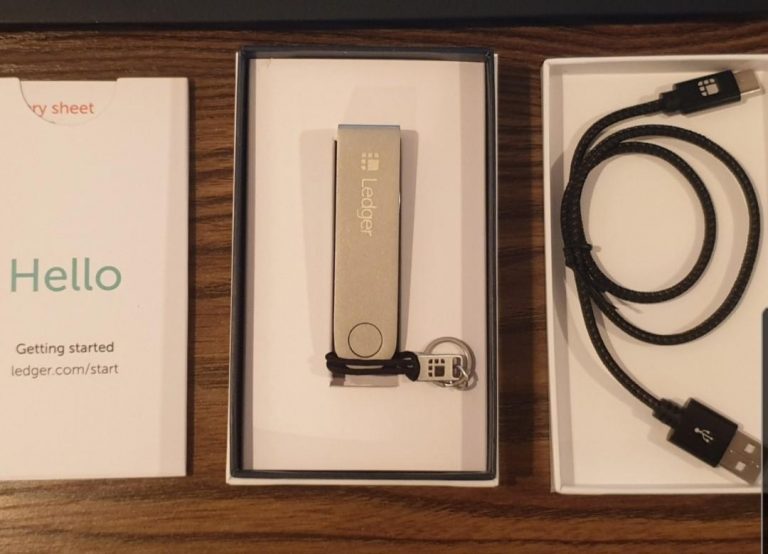
Buying Bitcoin can seem daunting, but the Ledger Nano X hardware wallet simplifies the process significantly. This guide walks you through the entire journey, from understanding the wallet’s security features to the practical steps of purchasing Bitcoin. We’ll explore various methods, exchanges, and essential security considerations.
The Ledger Nano X stands out as a top-tier choice for secure Bitcoin transactions, offering enhanced protection against online risks. This comprehensive guide will empower you to make informed decisions about buying and storing Bitcoin safely.
Introduction to Bitcoin Ledger Nano X
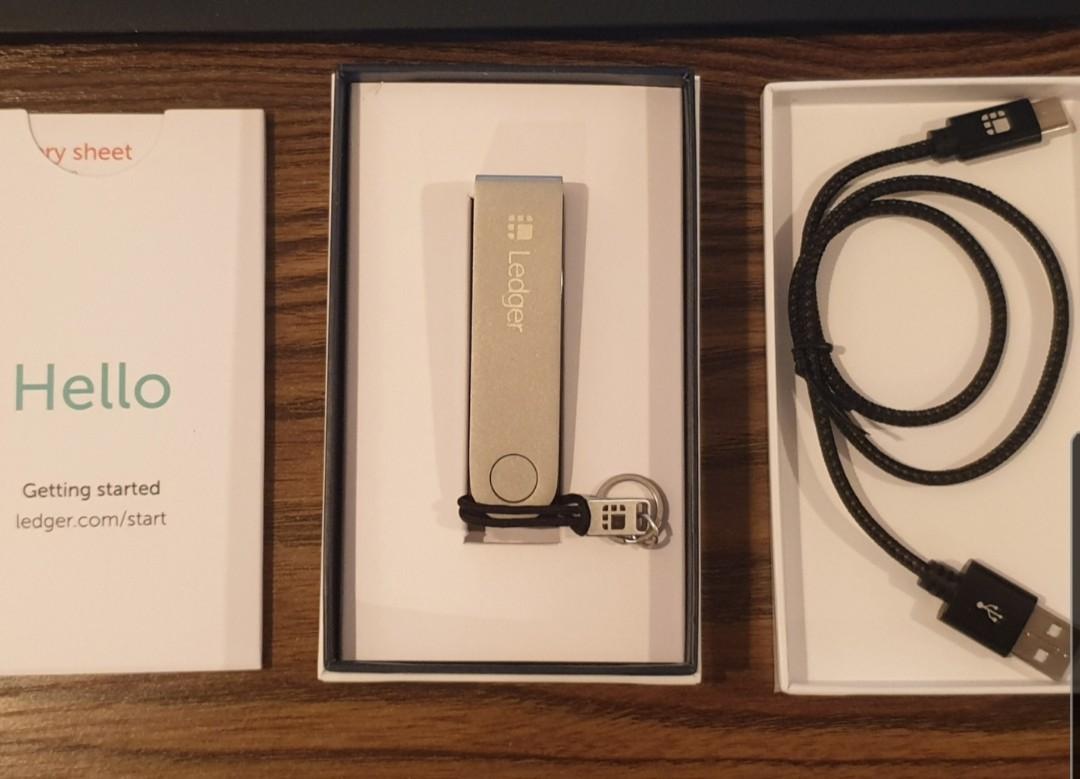
The Ledger Nano X is a leading hardware wallet specifically designed for secure Bitcoin storage and management. It offers a robust layer of protection against online threats and sophisticated attacks, providing a critical safeguard for your digital assets. This comprehensive overview delves into the specifics of the Nano X, highlighting its functionality, security features, and comparative advantages in the hardware wallet market.
Overview of the Ledger Nano X
The Ledger Nano X is a sophisticated hardware wallet that facilitates secure storage and management of Bitcoin and other cryptocurrencies. It acts as a physical intermediary between your private keys and the digital world, effectively isolating your sensitive data from online risks. This separation is crucial for safeguarding your Bitcoin holdings from unauthorized access.
Functionality and Purpose in Relation to Bitcoin
The Ledger Nano X functions as a secure vault for your Bitcoin private keys. It allows you to sign transactions, enabling you to send and receive Bitcoin without compromising your security. This direct interaction with the wallet, rather than relying on a third-party platform, strengthens your control and reduces the risk of unauthorized access.
Security Features of the Ledger Nano X
The Nano X boasts a comprehensive suite of security features. These include: a secure element, a hardened chip-based security module, and a robust authentication process, effectively preventing unauthorized access. The device is physically protected against tampering, with reinforced construction to safeguard against physical attacks.
Comparison to Other Bitcoin Hardware Wallets
Numerous hardware wallets exist for Bitcoin. Choosing the right one depends on your specific needs and priorities. While other wallets offer comparable security, the Ledger Nano X often stands out for its advanced security features and comprehensive support. The Nano X typically features a larger display, more buttons, and enhanced compatibility, making it an ideal choice for users seeking an extensive range of options.
Comparison Table
| Wallet Name | Security Features | Price | User Reviews |
|---|---|---|---|
| Ledger Nano X | Secure Element, Hardened Chip, Robust Authentication, Tamper-resistant | $119 USD (approximate) | Generally positive, highlighting security and ease of use. Some users report initial setup complexity. |
| Trezor Model T | Secure Element, Strong Encryption, Physical Protection | $110 USD (approximate) | High user satisfaction regarding security and user experience. Some users find the interface less intuitive than the Nano X. |
| Coldcard | Hardware-based security, Offline Storage, Open-Source | $189 USD (approximate) | Positive reviews emphasizing security and advanced customization options. Often praised for its robust design. |
Buying Bitcoin
Acquiring Bitcoin involves a few key steps and various methods. Understanding the process, different platforms, and security considerations is crucial for a safe and successful purchase. Choosing the right exchange and implementing robust security measures are essential for protecting your investment.The process of purchasing Bitcoin typically involves selecting a reputable Bitcoin exchange, depositing funds, placing a buy order, and confirming the transaction.
Different exchanges offer varying features and security protocols, making informed selection critical.
Bitcoin Exchange Methods
Various methods facilitate Bitcoin purchases. Direct exchange for fiat currency, such as USD or EUR, is common. These exchanges act as intermediaries between buyers and sellers. Alternatively, peer-to-peer (P2P) exchanges connect individuals directly, potentially offering lower fees but with heightened risks. The best method depends on individual needs and risk tolerance.
Bitcoin Exchanges and Features
Numerous Bitcoin exchanges cater to diverse needs. Each platform has unique characteristics like supported payment methods, transaction fees, and user interface. Security measures, customer support, and trading volume are also important considerations. Large exchanges often provide a wider range of features and higher liquidity.
Security Measures When Buying Bitcoin
Protecting your Bitcoin holdings requires proactive measures. Strong passwords, two-factor authentication (2FA), and regular security audits are vital. Using a reputable exchange with robust security protocols and storing your Bitcoin securely in a hardware wallet (like a Ledger Nano X) further enhances safety. Be cautious of phishing attempts and scams, verifying the authenticity of websites and communications.
Comparison of Bitcoin Exchanges
| Exchange Name | Deposit Methods | Fees | User Ratings |
|---|---|---|---|
| Coinbase | Bank transfer, credit/debit card, ACH | Variable, dependent on the transaction method | Generally high, based on user reviews and market perception |
| Binance | Bank transfer, credit/debit card, cryptocurrency transfers | Variable, dependent on the transaction method | Generally high, based on user reviews and market perception |
| Kraken | Bank transfer, wire transfer, credit/debit card, cryptocurrency transfers | Variable, dependent on the transaction method | Generally high, based on user reviews and market perception |
| Gemini | Bank transfer, credit/debit card, ACH | Variable, dependent on the transaction method | Generally high, based on user reviews and market perception |
Note: User ratings are indicative and can vary based on the source and criteria used for evaluation. Fees are subject to change and are often dynamic, adjusted by the exchange based on market conditions. Always verify the current fees and deposit methods directly with the exchange.
Buying Bitcoin with Ledger Nano X
The Ledger Nano X is a powerful tool for secure Bitcoin purchases, offering a significant advantage over traditional methods. Its robust security features and user-friendly interface make it an attractive option for individuals seeking to manage their cryptocurrency holdings safely. This detailed guide will explore the advantages of using the Ledger Nano X for Bitcoin transactions, the security benefits, and the step-by-step process involved.The Ledger Nano X provides a crucial layer of security in the Bitcoin buying process, acting as a secure intermediary between your funds and the exchange.
This is a significant improvement over traditional methods, where your private keys are exposed to potential vulnerabilities. It significantly enhances the overall security posture of Bitcoin ownership.
Enhanced Security in Bitcoin Purchases
The Ledger Nano X’s security is built on a foundation of hardware isolation. This means your private keys never leave the device itself, preventing malicious actors from accessing them. This physical separation is a crucial element in safeguarding your Bitcoin holdings. The device’s advanced security features, including secure chipsets and multi-factor authentication, contribute to the overall security posture, mitigating the risk of unauthorized access.
Security Benefits of Using Ledger Nano X
Using the Ledger Nano X for Bitcoin transactions provides several crucial security benefits. These include: protection against phishing attacks, protection against malware, protection against compromised exchanges, and increased privacy. The hardware wallet’s offline nature ensures your private keys are never exposed to online vulnerabilities. The isolation of the hardware from the internet significantly minimizes the risk of malicious actors gaining access to your funds.
Steps Involved in Buying Bitcoin with Ledger Nano X
The process of purchasing Bitcoin with the Ledger Nano X is straightforward and secure. A crucial aspect is choosing a reputable exchange and ensuring it supports hardware wallets. Following these steps ensures a secure transaction:
- Connect your Ledger Nano X: Connect your Ledger Nano X to your computer using a USB cable. Ensure the device is recognized by your operating system and the relevant software.
- Authorize the transaction on the Ledger Nano X: Once the exchange presents the transaction details, you will need to authorize the transaction on your Ledger Nano X. This step is crucial as it verifies the transaction on your hardware wallet before it is processed.
- Confirm the transaction on the exchange: After authorizing the transaction on your Ledger Nano X, confirm the details on the exchange platform. Carefully review the transaction amount, recipient address, and other pertinent information to ensure accuracy.
- Monitor the transaction status: Track the status of the transaction on both the exchange and your Ledger Nano X software to ensure successful completion.
Comparing Bitcoin Purchases with and without a Hardware Wallet
Buying Bitcoin with a hardware wallet, like the Ledger Nano X, offers a significantly higher level of security compared to methods that don’t utilize hardware wallets. Without a hardware wallet, your private keys are often stored on an exchange or within software, potentially exposing them to vulnerabilities in online environments. This creates a substantial difference in security posture.
The use of a hardware wallet like the Ledger Nano X mitigates these risks, making it a critical component of a robust cryptocurrency security strategy.
Step-by-Step Guide to Purchasing Bitcoin with Ledger Nano X
This step-by-step guide provides a practical approach to buying Bitcoin with your Ledger Nano X:
- Install and configure Ledger Live: Download and install the Ledger Live software on your computer. Follow the on-screen instructions to set up your Ledger Nano X device within the software.
- Choose a reputable Bitcoin exchange: Select a reputable cryptocurrency exchange that supports hardware wallets, ensuring security measures are in place.
- Create an account on the exchange: Create an account on the chosen exchange, providing necessary information for verification.
- Fund your exchange account: Deposit funds into your exchange account using a supported method. Ensure the funds are transferred to the correct account.
- Initiate the Bitcoin purchase: Navigate to the Bitcoin purchase section on the exchange. Enter the desired amount of Bitcoin you want to acquire.
- Authorize the transaction on Ledger Nano X: The exchange will present the transaction details. Use Ledger Live to authorize the transaction on your Ledger Nano X, ensuring the transaction matches the details.
- Confirm the transaction on the exchange: Verify the transaction details on the exchange platform, confirming the amount, recipient address, and other pertinent information.
- Monitor transaction status: Track the transaction status on both the exchange and Ledger Live to ensure successful completion.
Security Considerations
Bitcoin, while offering exciting potential, comes with inherent security risks. Protecting your investment requires careful consideration of these risks and proactive measures to safeguard your funds. Understanding the potential pitfalls and implementing robust security protocols is crucial for a positive and secure Bitcoin experience.The digital nature of Bitcoin transactions makes them susceptible to various threats, from online scams to malicious software.
Proper security practices, especially when coupled with a robust hardware wallet like the Ledger Nano X, are essential for mitigating these risks and maintaining control over your Bitcoin holdings.
Importance of Security in Bitcoin Purchases
Bitcoin’s decentralized nature means transactions are irreversible. A security lapse can lead to irreversible financial losses. The value of Bitcoin, fluctuating as it does, further emphasizes the need for robust security measures.
Risks Associated with Online Bitcoin Purchases
Online platforms for Bitcoin purchases present numerous security risks. Phishing scams, disguised as legitimate websites, attempt to steal login credentials and private keys. Malware infections can compromise computer systems, giving hackers access to sensitive information. Poorly secured exchanges or wallets can be targeted by hackers, leading to significant financial losses. Furthermore, fraudulent websites or individuals impersonating legitimate businesses are a constant threat.
Always verify the legitimacy of any platform or individual before conducting transactions.
Benefits of Using a Hardware Wallet Like the Ledger Nano X
Hardware wallets like the Ledger Nano X provide a significantly enhanced level of security compared to online wallets. These devices store your private keys offline, physically separating them from the internet and protecting them from online attacks. This physical separation is a crucial security layer, minimizing the risk of cyberattacks. The Ledger Nano X employs robust security measures to ensure that your private keys remain safe, making it a reliable choice for storing your Bitcoin.
Common Security Mistakes to Avoid
Using weak or easily guessed passwords, failing to update software, and sharing private keys are common security mistakes that can lead to serious consequences. Avoid storing your private keys in easily accessible locations, such as a document on your computer, as this leaves your Bitcoin vulnerable. Do not click on suspicious links or open attachments from unknown senders.
Security Risk Mitigation Strategies
| Security Risk | Prevention Measures | Impact |
|---|---|---|
| Phishing scams | Verify website authenticity, use strong passwords, avoid suspicious links. | Potential for account compromise and financial loss. |
| Malware infections | Use reputable antivirus software, update software regularly, be cautious about downloads. | Compromised system, data theft, and financial loss. |
| Compromised exchanges | Research exchange security, use strong passwords, and enable two-factor authentication. | Potential for large-scale loss of funds. |
| Storing private keys online | Use a hardware wallet (e.g., Ledger Nano X), secure password manager, and secure physical storage. | High risk of theft and loss of funds. |
| Weak passwords | Use strong, unique passwords for each account, use a password manager, enable two-factor authentication. | Increased vulnerability to hacking and unauthorized access. |
Alternatives to Ledger Nano X
The Ledger Nano X, while a popular and secure hardware wallet, isn’t the only option for safeguarding your Bitcoin. Various alternatives offer comparable security and varying features, catering to different needs and budgets. Understanding these alternatives is crucial for informed decision-making when choosing a hardware wallet.Several hardware wallets provide similar levels of security and convenience, though with differing features.
Comparing these alternatives allows users to make an informed decision based on their specific needs and priorities.
Alternative Hardware Wallets for Bitcoin
Several hardware wallets offer similar security and functionality to the Ledger Nano X, each with its own strengths and weaknesses. Notable alternatives include Trezor Model T, Trezor Model One, Coldcard, and KeepKey. Each model has a unique design and feature set that caters to various user preferences and technical expertise.
Features and Benefits of Alternative Wallets
The Trezor Model T, a more advanced model, offers enhanced security features like multi-signature support, making it suitable for more complex transactions. The Trezor Model One, a smaller and more affordable alternative, is a viable choice for users seeking a basic but secure solution. Coldcard, a popular choice among developers and experienced users, is known for its robust security and customization options, including the ability to run custom software.
KeepKey offers a user-friendly interface and good security, although it might not be as feature-rich as some of the other options.
Comparison Table of Hardware Wallets
| Feature | Ledger Nano X | Trezor Model T | Trezor Model One | Coldcard | KeepKey |
|---|---|---|---|---|---|
| Security | Excellent | Excellent | Excellent | Excellent | Excellent |
| Features | Extensive, including multi-signature | Extensive, including multi-signature, advanced settings | Basic, focused on security | Extensive, customizability | User-friendly, good security |
| Price | Moderate | High | Low | High | Moderate |
| User Reviews | Generally positive, known for reliability | Generally positive, highly regarded for security | Positive, good value for price | Positive, praised for robustness | Positive, noted for ease of use |
The table above provides a concise comparison of key features, price points, and user feedback for each hardware wallet. Consider your specific needs and preferences when choosing the best option for you. For example, a user prioritizing security and customization might opt for the Coldcard, while someone on a budget might find the Trezor Model One a suitable alternative.
Bitcoin Ledger Nano X Use Cases
The Ledger Nano X is a powerful hardware wallet that significantly enhances Bitcoin security and management. It’s more than just a storage device; it’s a crucial component for anyone serious about safeguarding their Bitcoin holdings and navigating the complex world of cryptocurrency.Using a hardware wallet like the Ledger Nano X offers a layer of protection against online threats that software wallets or simply keeping your private keys on paper cannot match.
This physical security is essential, especially when dealing with large sums of Bitcoin or considering long-term storage. Its ability to manage multiple cryptocurrencies further expands its usefulness beyond just Bitcoin.
Long-Term Bitcoin Storage
The Ledger Nano X is ideal for long-term Bitcoin storage due to its robust security features. It acts as a secure vault for your private keys, shielding them from hacking attempts and malware. This protection is critical for safeguarding assets intended for long-term investment, preventing the loss of significant capital. Furthermore, its offline nature significantly reduces the risk of online attacks compared to online wallets.
Managing Multiple Cryptocurrencies
Beyond Bitcoin, the Ledger Nano X supports a wide array of cryptocurrencies. This versatility allows users to securely manage not only their Bitcoin but also other digital assets within a single, secure platform. This feature is invaluable for diversified portfolios, enabling secure management of multiple cryptocurrencies simultaneously.
Essential Hardware Wallet Scenarios
In several scenarios, a hardware wallet like the Ledger Nano X is an absolute necessity. These include situations involving significant Bitcoin holdings, where the risk of a compromise to online accounts is unacceptable. Also, individuals who want to safeguard their assets against both known and unknown threats will greatly benefit from the additional security layer. A hardware wallet is also essential for users who are particularly concerned about security and are comfortable with the setup process to protect their crypto assets.
Benefits in Various Scenarios
| Scenario | Benefit |
|---|---|
| Significant Bitcoin Holdings | Enhanced security against hacking and malware, reducing the risk of large capital losses. |
| Long-Term Investments | Secure storage for Bitcoin intended for long-term investment, preventing loss due to hacking or account compromise. |
| Diversified Portfolio | Secure management of multiple cryptocurrencies, enabling portfolio diversification within a single platform. |
| High-Security Requirements | Protection against both known and unknown threats, ensuring assets are secure even in rapidly evolving threat landscapes. |
Future of Bitcoin Ledger Nano X
The Ledger Nano X, a popular hardware wallet for Bitcoin and other cryptocurrencies, has established itself as a cornerstone of secure digital asset management. Its robust security features and user-friendly interface have made it a favorite among crypto enthusiasts. Looking ahead, the future of the Ledger Nano X hinges on maintaining this reputation while adapting to evolving technological landscapes.The continued advancement of crypto technology and user expectations demand a forward-thinking approach from Ledger.
Anticipating potential future needs and integrating them into future iterations of the Nano X will be crucial for its sustained relevance. Possible enhancements to the device, including improved security protocols and expanded functionality, are likely to be central to its future development.
Potential Hardware Improvements
The Ledger Nano X’s current hardware, while highly secure, might benefit from enhancements. Upgrades to the processing power, memory, and display could enhance the user experience and facilitate more complex transactions. Improved battery life, especially if the device is used extensively, would also be a welcomed enhancement. Consideration should also be given to incorporating more advanced security features like biometric authentication to further enhance the security posture.
Potential Software Enhancements
The software underpinning the Ledger Nano X is critical to its functionality. Potential improvements could include integration with more cryptocurrencies, enhanced transaction signing capabilities, and support for advanced blockchain technologies. Furthermore, a more intuitive user interface and enhanced support for different languages could broaden its appeal to a wider user base.
Potential Future Features and Upgrades
The following table Artikels potential future features, their descriptions, and hypothetical release dates for the Ledger Nano X. These are purely speculative and should not be considered firm predictions.
| Future Feature | Description | Expected Release Date (Hypothetical) |
|---|---|---|
| Support for Layer-2 scaling solutions | Allowing users to interact with decentralized finance (DeFi) protocols on Layer-2 networks, such as Optimism or Arbitrum. | 2025 |
| Enhanced Security Features | Integration of hardware-level security enhancements, such as secure enclave or tamper-proof chips, for enhanced protection against sophisticated attacks. | 2024 |
| Improved User Interface | A more intuitive and user-friendly interface for navigation and interaction with the wallet, potentially with a larger screen and simplified menu structure. | 2024 |
| Support for Emerging Cryptocurrencies | Inclusion of new and emerging cryptocurrencies beyond Bitcoin and Ethereum, including altcoins and stablecoins, within the Ledger ecosystem. | 2025 |
Wrap-Up
In conclusion, the Ledger Nano X provides a secure and efficient path to buying Bitcoin. By understanding the process, security measures, and alternatives, you can confidently navigate the cryptocurrency landscape. This guide serves as your compass, providing clear steps and valuable insights to make informed decisions.
Q&A
What are the common security mistakes to avoid when buying Bitcoin?
Avoid using weak passwords, sharing your private keys, or clicking on suspicious links. Always double-check the legitimacy of websites and exchanges. Thoroughly research before making any transactions.
How does the Ledger Nano X protect my Bitcoin?
The Ledger Nano X is a hardware wallet, meaning your private keys are stored offline, shielding them from online hacking attempts. This offline storage is a crucial security measure.
What are some alternative hardware wallets to the Ledger Nano X?
Other popular options include Trezor Model T and Trezor Model One. Each offers different features and price points, so comparing them based on your needs is crucial.
What are the typical fees involved in buying Bitcoin through different exchanges?
Fees vary depending on the exchange and the payment method used. Some exchanges charge a percentage of the transaction amount, while others might have fixed fees. Always check the exchange’s fee structure before making a purchase.