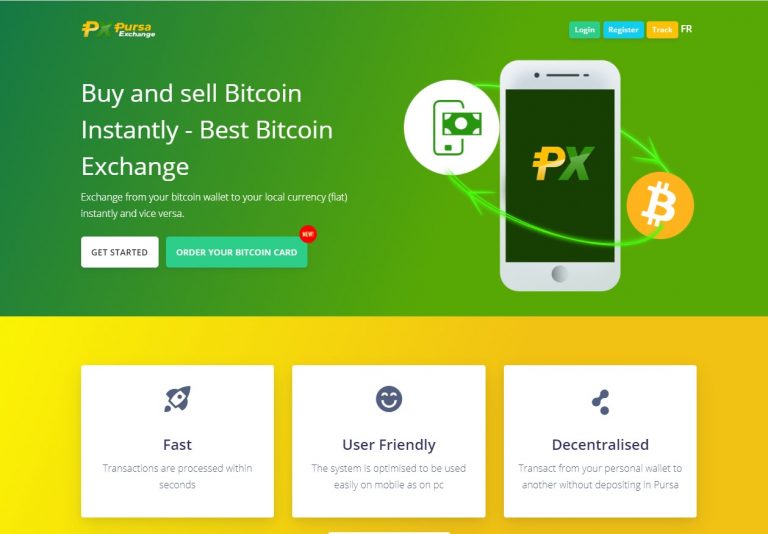
Buying Bitcoin in Ghana is becoming increasingly popular, driven by a growing interest in cryptocurrency and a desire for alternative financial solutions. This guide explores the intricacies of purchasing Bitcoin in Ghana, covering everything from the methods available to the security considerations and the factors influencing adoption.
From the historical context of Bitcoin’s presence in Ghana to the various platforms used for transactions, this guide provides a thorough overview. Understanding the nuances of this rapidly evolving market is key to navigating the potential risks and rewards involved.
Introduction to Bitcoin in Ghana
Bitcoin’s presence in Ghana reflects a growing global trend of cryptocurrency adoption. While still a relatively nascent market compared to established financial hubs, Ghana presents a unique case study of how cryptocurrency can penetrate diverse communities. Early adopters and the increasing prevalence of mobile money platforms have created a fertile ground for Bitcoin’s integration into the Ghanaian economy.The current state of Bitcoin adoption in Ghana is characterized by a blend of excitement and cautious optimism.
A substantial portion of the population remains unfamiliar with Bitcoin, but a growing segment is actively exploring and utilizing it for various transactions. This dynamic environment is influenced by factors such as the relative stability of the Ghanaian Cedi, government regulations surrounding cryptocurrency, and the accessibility of digital payment platforms.
Early History of Bitcoin in Ghana
Bitcoin’s initial adoption in Ghana was largely driven by a small but dedicated group of early adopters. These individuals recognized the potential for Bitcoin to offer an alternative financial system, particularly in areas with limited access to traditional banking services. Early interactions often involved small-scale transactions and the exchange of Bitcoin for local currency.
Current State of Bitcoin Adoption
Bitcoin adoption in Ghana is currently evolving rapidly. While still not mainstream, its presence is becoming more visible through online platforms and communities. The accessibility of mobile money has been a key factor in facilitating transactions, as it bridges the gap between those with limited access to traditional banking systems. A significant proportion of the population is exposed to Bitcoin through social media, word-of-mouth, and local news, driving further interest.
Methods of Bitcoin Use in Ghana
Ghanaian Bitcoin users employ a variety of methods to utilize the cryptocurrency. A common practice involves using Bitcoin as a means to send money internationally, circumventing traditional remittance costs. Other applications include online purchases, investments, and speculation on price fluctuations. The use of Bitcoin in micro-transactions is also emerging as a possibility, particularly in sectors where traditional payment methods are less convenient or accessible.
- International Remittances: Bitcoin offers a potential solution to high remittance fees. This is particularly relevant for Ghanaians living abroad who often send money back home. Examples include families sending money to their relatives or businesses facilitating international transfers.
- Online Purchases: Bitcoin’s increasing acceptance by online retailers offers another avenue for use, enabling transactions with merchants globally. This can be a convenience for consumers in Ghana who need to purchase goods or services from overseas vendors.
- Investment: Bitcoin’s volatility attracts investors seeking potentially high returns. However, the risk associated with this approach must be carefully considered. Examples include individuals who see Bitcoin as an investment option similar to stocks or real estate.
Comparison to Other Countries
Bitcoin adoption in Ghana shares some similarities with other developing nations. The motivations behind using Bitcoin often center around circumventing financial limitations and seeking alternative payment options. However, the specific applications and levels of adoption vary significantly depending on factors such as the local regulatory environment, the availability of digital infrastructure, and the overall economic context. A key difference is the prominence of mobile money platforms in Ghana, which has influenced how Bitcoin is integrated into the existing financial landscape.
Bitcoin Usage in Ghana: A Comparative Analysis
| Bitcoin Use Case | User Demographics | Challenges Faced |
|---|---|---|
| International Remittances | Migrant workers, families with relatives abroad, businesses involved in cross-border transactions. | Fluctuations in Bitcoin exchange rates, potential security risks associated with online transactions. |
| Online Purchases | Individuals looking for alternative payment options, consumers buying goods from international vendors. | Limited acceptance of Bitcoin by local merchants, ensuring the security of transactions. |
| Investment | Individuals seeking high-return investment opportunities, individuals with access to capital. | Volatility of Bitcoin prices, lack of regulatory clarity surrounding Bitcoin investments. |
Methods of Buying Bitcoin in Ghana
Acquiring Bitcoin in Ghana, like many other countries, has evolved beyond the initial stages of direct peer-to-peer exchanges. Various platforms and methods are now available, catering to different needs and risk tolerances. Understanding these options is crucial for navigating the digital asset landscape safely and effectively.
Popular Bitcoin Platforms in Ghana
Several platforms facilitate Bitcoin purchases in Ghana, each with its own strengths and weaknesses. Some notable options include local exchanges, cryptocurrency wallets, and peer-to-peer marketplaces. Local exchanges often provide a user-friendly interface and a range of support services, but may have limitations on transaction volumes or specific payment options. Cryptocurrency wallets are convenient for storing and managing cryptocurrencies, but usually don’t offer direct buying services.
Peer-to-peer marketplaces offer flexibility in terms of price negotiation, but may require more caution regarding security.
Payment Methods for Bitcoin Purchases
Diverse payment methods are available for Bitcoin purchases in Ghana, reflecting the country’s financial landscape. Mobile money platforms like MTN Mobile Money and Vodafone Cash are popular options, facilitating quick and convenient transactions. Bank transfers are another common method, allowing users to utilize existing bank accounts. Other payment options may include credit/debit cards and potentially, alternative payment methods that are specific to the Ghanaian market.
The availability and suitability of each method often depend on the platform used.
Security Considerations When Buying Bitcoin
Ensuring security is paramount when engaging in cryptocurrency transactions. Users should prioritize platforms with robust security measures, including multi-factor authentication and secure data encryption. Using strong and unique passwords, avoiding suspicious links or websites, and keeping personal information confidential are critical steps in mitigating risks. Regularly monitoring transaction activity and promptly reporting any suspicious activity are crucial security practices.
Always verify the identity of the seller/platform before any transaction.
Common Bitcoin Purchase Scams in Ghana
Unfortunately, the cryptocurrency market in Ghana, like many others, is susceptible to scams. Common scams include fake investment schemes promising high returns on Bitcoin investments, fraudulent platforms claiming to offer lower fees, and impersonation tactics. Users should exercise caution when dealing with unsolicited offers or promotions, and be wary of promises that seem too good to be true.
Always verify the legitimacy of any platform or individual before engaging in any financial transaction.
Table of Bitcoin Buying Platforms in Ghana
| Platform | Payment Methods | Security Measures | Risks |
|---|---|---|---|
| Local Exchange A | Mobile Money, Bank Transfer, Credit/Debit Cards | Two-factor authentication, encrypted communication, verified seller profiles | Potential for platform downtime, limited transaction volume, regulatory issues |
| Local Exchange B | Mobile Money, Bank Transfer | Two-factor authentication, secure payment gateways, KYC verification | Possible scams targeting platform users, insufficient customer support |
| Peer-to-Peer Marketplace | Mobile Money, Bank Transfer | Verification of buyer/seller identities, escrow services | Higher risk of scams due to lack of platform oversight, potential for disputes |
Factors Influencing Bitcoin Purchases in Ghana
Bitcoin’s rising popularity in Ghana reflects a complex interplay of economic, governmental, cultural, and technical factors. Understanding these influences is crucial for comprehending the nuances of the Ghanaian Bitcoin market and its future trajectory. The interplay between these forces shapes the motivations and behavior of Bitcoin buyers in the country.
Economic Conditions Affecting Bitcoin Demand
Ghana’s economic landscape significantly impacts Bitcoin adoption. High inflation rates and currency volatility often drive individuals towards alternative assets like Bitcoin, seen as a potential hedge against devaluation. Unemployment and underemployment, coupled with limited access to traditional financial services, create an environment where Bitcoin can be an attractive option for those seeking financial freedom. Furthermore, the perceived instability of the Ghanaian Cedi (GHS) encourages individuals to diversify their holdings into cryptocurrencies.
Government Policies on Bitcoin Adoption
Ghana’s stance on cryptocurrencies influences its adoption rate. The absence of explicit bans or restrictions, coupled with regulatory frameworks focused on consumer protection and preventing illicit activities, creates a more favorable environment compared to regions with outright prohibitions. The government’s engagement with the digital asset sector, though still evolving, signals a potential path towards greater acceptance and regulation, which can foster trust and adoption.
Cultural Aspects Influencing Bitcoin Use
Cultural norms and values play a crucial role in shaping attitudes toward Bitcoin. Ghana’s strong entrepreneurial spirit and willingness to embrace innovative technologies often foster a favorable environment for Bitcoin adoption. The prevalence of mobile money transactions, a deeply ingrained part of Ghanaian culture, complements the ease of use associated with Bitcoin transactions. The perception of Bitcoin as a tool for financial empowerment resonates with a population seeking economic opportunities.
Motivations of Bitcoin Buyers in Ghana Compared to Other Regions
Bitcoin buyers in Ghana share similar motivations with those in other regions, yet specific nuances emerge. The primary motivations often include financial freedom, portfolio diversification, and accessing global markets. However, in Ghana, the desire to circumvent economic challenges, such as high inflation and currency instability, appears to be a more pronounced driver. This underscores the critical role of economic factors in influencing Bitcoin adoption in Ghana.
Technical Factors Impacting Bitcoin Transactions
Technical aspects like internet access, mobile phone penetration, and the availability of cryptocurrency exchanges significantly impact Bitcoin transactions in Ghana. The widespread use of mobile money services facilitates the adoption of cryptocurrencies. The availability of Bitcoin exchanges in the country is a crucial factor for transaction facilitation. However, challenges like transaction fees and transaction speed can influence user experience and adoption.
Comparison of Factors
| Economic Factor | Government Policy | Cultural Aspect | Motivations | Technical Factor |
|---|---|---|---|---|
| High inflation, currency volatility, limited access to traditional finance. | Absence of explicit bans, focus on consumer protection. | Entrepreneurial spirit, mobile money usage, perception of financial empowerment. | Financial freedom, portfolio diversification, circumventing economic challenges. | Internet access, mobile phone penetration, availability of exchanges. |
Buying Bitcoin Globally
Bitcoin’s accessibility varies significantly across the globe, influenced by regulatory frameworks and local infrastructure. Understanding these differences is crucial for anyone considering a Bitcoin purchase, whether in Ghana or internationally. The ease of acquisition, the cost, and the available options can vary considerably.
Comparing Ease of Bitcoin Purchase
Ghana’s Bitcoin acquisition landscape, while evolving, presents some unique challenges compared to more established markets. Factors like the availability of local exchanges, user familiarity with digital currencies, and the overall financial literacy of the population can influence the ease of purchase. For example, in countries with a well-established banking system and digital payment infrastructure, the process might be streamlined and accessible to a wider range of individuals.
Regulatory Environment Variations
The regulatory environment surrounding Bitcoin transactions plays a pivotal role in shaping the Bitcoin landscape. Countries with clear guidelines and regulations often offer a more predictable and secure environment for users. Conversely, regions with less developed or ambiguous regulations can present challenges in terms of compliance and security. Regulatory differences often lead to contrasting experiences when buying Bitcoin globally.
For example, in some countries, exchanges may be licensed and monitored, whereas in others, they may operate with less oversight, leading to potential risks.
Cost Comparison Across Regions
The cost of buying Bitcoin can fluctuate based on several factors, including exchange fees, transaction costs, and currency exchange rates. Ghana’s pricing might be influenced by local exchange rates and transaction fees, potentially varying from the costs seen in more established markets. This difference can be attributed to factors like local infrastructure and the level of competition among exchanges.
For example, a high volume of transactions in a region might lead to lower transaction fees.
Comparison of Bitcoin Exchange Options
The availability of Bitcoin exchange options varies considerably between Ghana and other countries. In Ghana, a range of local exchanges and potentially peer-to-peer platforms may be available. In contrast, international markets often boast a broader array of exchanges with potentially more advanced features and wider trading options. The choice of exchange greatly impacts the user experience, from the ease of use to the range of payment methods accepted.
Table: Bitcoin Purchase Comparison
| Country | Ease of Purchase | Regulatory Environment | Cost (Estimated) | Exchange Options |
|---|---|---|---|---|
| Ghana | Moderate | Developing | $10 – $15 (USD) per BTC | Local Exchanges, P2P |
| United States | High | Regulated | $8 – $12 (USD) per BTC | Major Exchanges (e.g., Coinbase, Kraken) |
| United Kingdom | High | Regulated | $9 – $14 (USD) per BTC | Major Exchanges (e.g., Coinbase, Revolut) |
| Japan | High | Regulated | $10 – $15 (USD) per BTC | Major Exchanges (e.g., BitFlyer, Zaif) |
Note: Costs are estimates and can fluctuate. The regulatory environment is subject to change.
General Information on Buying Bitcoin
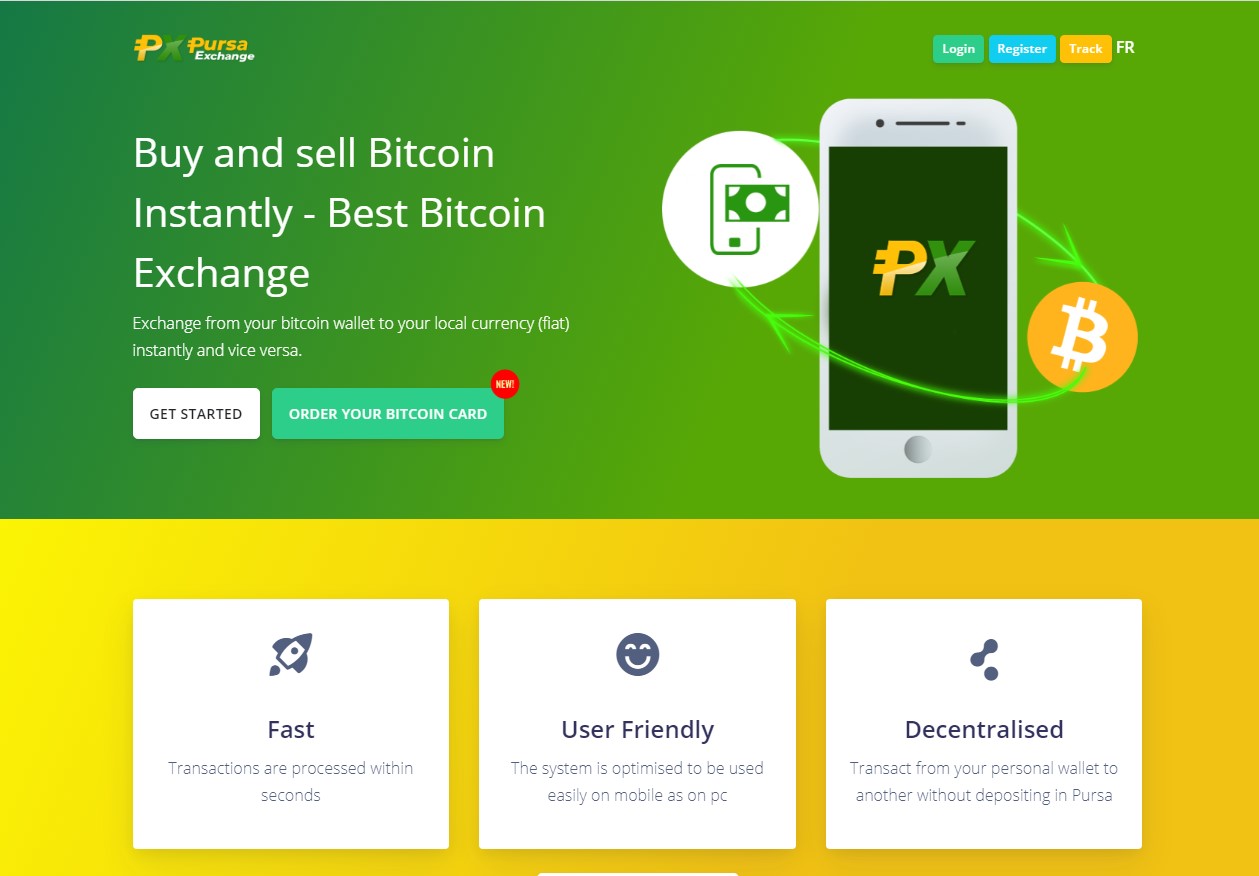
Bitcoin is a digital or virtual currency, operating independently of central banks and governments. It utilizes cryptography for security and peer-to-peer transactions, enabling direct transfers between users without intermediaries. This decentralized nature is a key feature that distinguishes it from traditional currencies.Understanding how Bitcoin transactions function is crucial for navigating the cryptocurrency landscape. Bitcoin’s design incorporates a system of “blocks” to record transactions securely and transparently, which is a fundamental element of its operation.
This allows users to track and verify transactions without relying on a central authority.
Bitcoin’s Fundamental Concepts
Bitcoin’s design rests on a foundation of cryptographic principles. This ensures secure transactions and prevents double-spending. Transactions are verified and added to a public ledger, known as the blockchain, making it transparent and auditable.
How Bitcoin Transactions Work
Bitcoin transactions are recorded on a public ledger called the blockchain. Each transaction is grouped into a “block,” and these blocks are linked together chronologically, forming a chain. Cryptographic hashing ensures the integrity of each block and the entire chain. Verification of transactions is performed by a network of computers called “miners” who solve complex mathematical problems to add new blocks to the chain.
This process is known as “mining.” Once a block is added, the transaction is considered final and permanently recorded on the blockchain.
History and Evolution of Bitcoin
Bitcoin was conceptualized and introduced by an unknown person or group of people using the pseudonym Satoshi Nakamoto. The first Bitcoin transaction occurred in 2009. Since then, Bitcoin has undergone significant development, with increasing adoption and integration into financial systems. Key milestones in Bitcoin’s history include the emergence of Bitcoin exchanges, the rise of Bitcoin’s price, and growing adoption by businesses and individuals.
Key Features of Bitcoin
Bitcoin possesses several key characteristics that contribute to its popularity and functionality. These include decentralization, which removes the need for intermediaries like banks. Its cryptographic security ensures the integrity and immutability of transactions. Bitcoin’s transparency and auditability provide a high degree of trust and confidence for users. Its limited supply, set at 21 million coins, contributes to its scarcity and potential value appreciation.
Bitcoin Wallets
Bitcoin wallets are essential for storing and managing Bitcoin. They act as digital repositories for your Bitcoin holdings. Different types of wallets exist, each with varying levels of security and functionality. These include software wallets, hardware wallets, and online wallets. Choosing the right wallet depends on your security needs and technical comfort level.
Risks and Rewards of Investing in Bitcoin
Investing in Bitcoin, like any other investment, involves inherent risks. Volatility is a significant factor, as Bitcoin’s price can fluctuate dramatically in short periods. Regulatory uncertainties and potential security breaches are other considerations. However, the potential rewards of Bitcoin investment can be substantial. Bitcoin’s potential for appreciation and adoption in various sectors are enticing factors.
Past performance is not necessarily indicative of future results.
Bitcoin’s potential as a decentralized, secure, and potentially high-return investment has drawn significant attention. Its unique features and potential for future adoption make it an attractive option for some investors. However, investors should carefully consider the risks associated with this volatile asset before making any investment decisions.
Security and Safety in Bitcoin Transactions
Bitcoin transactions, while offering exciting opportunities, demand a cautious approach. Understanding security best practices is paramount to safeguarding your investments and avoiding common pitfalls. Protecting your digital assets is a critical part of the Bitcoin experience.Security in Bitcoin transactions hinges on a combination of robust practices and vigilance. This includes choosing reliable platforms, safeguarding your wallet, and being wary of potential scams.
Maintaining awareness of common fraudulent schemes is crucial for a positive Bitcoin journey.
Best Practices for Secure Bitcoin Transactions
Implementing strong security measures is vital for protecting your Bitcoin holdings. These practices encompass various aspects of the transaction process, from choosing a platform to securing your wallet.
- Verify Platform Reputability: Thoroughly research and vet any Bitcoin platform before engaging in transactions. Look for established businesses with clear terms of service, positive user reviews, and a secure website. Avoid platforms with vague information or questionable practices. This is a critical step to prevent financial losses. For instance, verifying the platform’s history and compliance with local regulations can help determine its trustworthiness.
A reputable platform should have a transparent security policy, clearly outlining their measures to protect user funds.
- Use Strong Passwords and Two-Factor Authentication (2FA): Employ complex, unique passwords for your accounts and wallets. Activating 2FA adds an extra layer of security, requiring a secondary verification method (e.g., a code sent to your phone) beyond your password. This multi-layered protection significantly reduces the risk of unauthorized access.
- Maintain a Separate Wallet for Bitcoin: Avoid mixing your Bitcoin wallet with other financial accounts or sensitive data. Keeping your Bitcoin holdings separate minimizes the potential impact of a security breach in one area affecting your other financial resources.
Common Bitcoin Scams and How to Avoid Them
Awareness of common scams is essential for navigating the Bitcoin ecosystem safely. Recognizing these fraudulent schemes helps you avoid falling victim to deceptive practices.
- Phishing Scams: Be extremely cautious of emails, messages, or websites attempting to trick you into revealing your login credentials or private keys. Phishing scams often mimic legitimate platforms, making them convincing. Verify the source of any communication before responding and sharing sensitive information.
- Fake Investment Schemes: Be wary of promises of unrealistic returns or quick riches associated with Bitcoin investments. Research any investment opportunity thoroughly, and consult with financial professionals if needed. These schemes often lure investors with tempting returns and hidden risks.
- Fake Bitcoin Exchanges: Research and verify any exchange before trading. Avoid exchanges that seem too good to be true or lack proper security measures. Always conduct your due diligence before trusting any exchange platform.
Choosing Reputable Bitcoin Platforms
Selecting a reputable Bitcoin platform is essential to ensure the security of your transactions. A platform’s reputation is a strong indicator of its trustworthiness and commitment to user safety.
- Platform Reviews and Ratings: Review user testimonials and ratings to gauge the platform’s reliability and security. Look for platforms with established histories and positive feedback from a diverse range of users. This will aid in selecting trustworthy and safe platforms.
- Security Measures: Reputable platforms employ robust security measures to protect user funds. Inquire about their security protocols, such as encryption methods and security audits. Platforms that actively display security measures provide confidence to potential users.
- Regulatory Compliance: Platforms operating within regulatory frameworks demonstrate a commitment to user protection. Look for platforms that are compliant with relevant financial regulations and laws. Regulatory compliance is a key factor in determining platform trustworthiness.
Protecting Your Bitcoin Wallet
Protecting your Bitcoin wallet is paramount to preventing unauthorized access. Employing strong security measures ensures your digital assets remain safe.
- Strong Passphrases: Use complex and unique passphrases for your wallet. Avoid easily guessable or dictionary words. This practice significantly enhances the protection of your wallet from unauthorized access.
- Hardware Wallets: Consider using hardware wallets for storing your Bitcoin. These offline devices offer enhanced security by keeping your private keys separate from online connections. Using a hardware wallet is a significant step in enhancing Bitcoin security.
- Regular Backups: Regularly back up your wallet’s data, especially if it contains significant amounts of Bitcoin. This precaution is crucial in case of accidental loss or device failure. Regular backups safeguard against potential data loss and ensure the preservation of your Bitcoin holdings.
Secure Bitcoin Wallets for Ghana Users
Choosing a secure Bitcoin wallet is crucial for Ghana users. Several options offer varying degrees of security and functionality.
- Ledger Nano S/X: Hardware wallets, like Ledger Nano S or X, are popular choices for secure Bitcoin storage. Their offline nature significantly enhances security.
- Exodus: Exodus is a popular desktop wallet with a user-friendly interface and a range of security features.
- Blockchain.com Wallet: Blockchain.com provides a secure web wallet and mobile app with robust security features, suitable for both beginners and experienced users.
Future of Bitcoin in Ghana
Bitcoin’s potential in Ghana is a subject of significant interest, given the country’s evolving financial landscape and increasing digital adoption. The cryptocurrency’s future trajectory in Ghana is multifaceted, influenced by a confluence of factors, including technological advancements, economic development, and the regulatory environment. The prospects for Bitcoin adoption in Ghana are promising, yet not without inherent challenges.
Projected Trends in Bitcoin Adoption
Ghana’s burgeoning digital economy is fostering a favorable environment for Bitcoin adoption. Increasing internet penetration and smartphone usage are key drivers of this trend. Young Ghanaians are particularly receptive to cryptocurrencies, demonstrating a willingness to explore and utilize innovative financial technologies. Furthermore, the need for alternative financial solutions, especially for unbanked or underbanked populations, could potentially drive Bitcoin adoption.
Projected trends suggest that Bitcoin adoption in Ghana is likely to continue growing, particularly among younger demographics.
Impact of Technological Advancements
Technological advancements are significantly shaping the future of Bitcoin in Ghana. Blockchain technology, the foundation of Bitcoin, is advancing rapidly, leading to more efficient and secure transactions. The development of user-friendly mobile wallets and cryptocurrency exchanges will further enhance accessibility and ease of use. Decentralized finance (DeFi) applications, if successfully implemented, could potentially offer innovative financial services within the Ghanaian ecosystem, potentially increasing Bitcoin’s appeal.
Furthermore, the integration of Bitcoin into existing payment systems is a potential development, which could lead to wider acceptance and usage.
Potential Role in Economic Development
Bitcoin has the potential to contribute to economic development in Ghana, particularly for marginalized communities. It could offer an alternative remittance channel, allowing for cheaper and faster cross-border money transfers. Increased access to financial services through Bitcoin could empower individuals and small businesses, particularly those excluded from traditional banking systems. This could potentially boost entrepreneurial activities and stimulate economic growth.
For example, in other countries, Bitcoin has been utilized to facilitate micro-loans and investments, potentially replicable in Ghana.
Potential Challenges and Opportunities for Bitcoin Users
Bitcoin adoption in Ghana, while promising, is not without challenges. Regulatory uncertainty remains a significant hurdle. Fluctuations in Bitcoin’s price and the associated risks are also factors that need to be considered. Moreover, the need for robust consumer protection measures to safeguard users from scams and fraudulent activities is crucial. The opportunities for Bitcoin users include access to potentially lucrative investment opportunities, as well as potentially lower transaction costs compared to traditional banking systems.
Bitcoin users should be aware of these challenges and seize the opportunities responsibly.
| Predicted Trends | Technological Advancements | Economic Impacts | Potential Challenges |
|---|---|---|---|
| Increasing adoption among younger demographics, growing interest from businesses | Development of user-friendly mobile wallets, integration with existing payment systems, improvement in blockchain technology | Potential for increased remittances, alternative financial services for unbanked populations, stimulating entrepreneurial activities | Regulatory uncertainty, price volatility, need for consumer protection measures, potential for scams and fraudulent activities |
Ultimate Conclusion
In conclusion, buying Bitcoin in Ghana presents a fascinating mix of opportunities and challenges. Understanding the available platforms, payment methods, and security precautions is crucial for navigating this dynamic market. This guide has equipped you with the necessary knowledge to make informed decisions about Bitcoin purchases in Ghana, balancing the potential rewards with the inherent risks.
Expert Answers
What are some popular platforms for buying Bitcoin in Ghana?
Several platforms facilitate Bitcoin purchases in Ghana, including local exchanges and peer-to-peer marketplaces. Researching reviews and reputation is important before using any platform.
What are the common security concerns when buying Bitcoin in Ghana?
Scams and fraudulent activities are prevalent in the crypto space. Always verify the legitimacy of platforms and payment methods. Never share your private keys and exercise caution when interacting with unfamiliar individuals or platforms.
How do economic conditions in Ghana affect Bitcoin demand?
Economic instability and inflation can influence Bitcoin’s appeal as a potential hedge against currency devaluation. The perceived value of Bitcoin as a store of value is a key driver for demand.
What is the regulatory environment surrounding Bitcoin purchases in Ghana?
Ghana’s regulatory framework for cryptocurrencies is still evolving. Staying informed about the latest updates and guidelines is crucial for compliance.